No customers for humanoid robots? Future application prospects
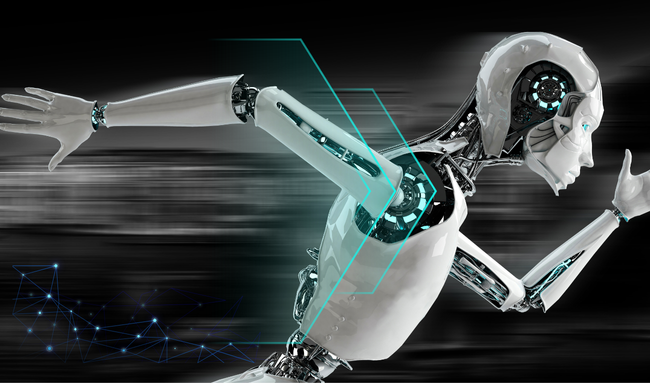
The Future Application Prospects: The "Why" Behind the Billions in Investment Major companies like Tesla, Amazon (through its investment in Agility Robotics), Figure AI, and Boston Dynamics are investing billions because they believe in a long-term vision. Their bet is not on today's market, but on creating a general-purpose humanoid robot. The core argument is this: We have built our world for humans. Our buildings, our vehicles, our tools, and our stairs are all designed for a bipedal body with two arms and hands. Instead of re-engineering the entire world for robots, why not create robots that can seamlessly fit into our existing world? Here are the most promising future application prospects:
1. Industrial and Manufacturing (The First Major Market) This is the low-hanging fruit. Factories and warehouses already have structured environments. Warehouse Logistics: Palletizing, loading/unloading trucks, moving boxes in spaces designed for humans. Companies like Agility Robotics' Digit are already being tested by giants like Amazon and GXO Logistics. Automotive Manufacturing: Performing final assembly tasks that are too complex or ergonomically challenging for current rigid automation, such as wiring harness installation or interior fitting. High-Risk, Repetitive Tasks: Tasks like quality inspection in foundries or handling hazardous materials.
2. Logistics and Supply Chain Last-Mile Delivery: A humanoid robot could theoretically walk up to your front door, climb stairs, and place a package securely, navigating environments that are impossible for wheeled drones or robots. Cross-Docking and Sorting Centers: Moving freely between areas designed for humans and machines.
3. Healthcare and Elder Care With an aging global population, this is a massive potential market. Physical Assistance: Helping patients with mobility—transferring from bed to wheelchair, providing stability while walking. Companion and Monitoring: Reminding patients to take medication, monitoring vital signs, and alerting emergency services in case of a fall. This could alleviate the burden on healthcare workers. Rehabilitation: Guiding patients through physical therapy exercises with perfect consistency.
4. Retail and Customer Service Stocking Shelves: Restocking inventory during off-hours without getting in the way of customers. Information Kiosk: Providing directions and answering basic questions in large stores or airports.
5. Dangerous and Extreme Environments (Dull, Dirty, and Dangerous Jobs) This is where humanoids can do jobs that are too risky for people. Disaster Response: Searching through rubble after an earthquake or explosion where the environment is too unstable for wheeled vehicles. Nuclear Decommissioning: Working in radioactive environments to handle materials and perform decontamination. Space Exploration: NASA's Valkyrie robot is designed for future missions to Mars or the Moon to perform tasks ahead of human arrival.
6. Domestic and Personal Use (The Long-Term Vision) This is the ultimate goal for companies like Tesla: a personal robot for every home. Household Chores: Cooking, cleaning, laundry, and yard work. This is the "holy grail" but also the most technically challenging due to the unstructured nature of homes.
Conclusion: The Path Forward The statement "no customers" is accurate if you're looking for someone to walk into a store and buy a humanoid robot today. The current "customers" are not end-users, but investors and strategic partners (like Amazon and BMW) who are funding R&D and running pilot programs to prove the technology and business case. The future is not about humanoid robots replacing humans wholesale. It's about automating tasks that are undesirable, dangerous, or in short supply of human workers. The application prospects are vast, but the path to get there requires solving immense challenges in robotics, AI, and cost reduction. The race is on to see who can create the first truly viable, general-purpose humanoid platform.
